
Marketing “Good” Has Reached a Crossroads
If you’ve been trying to promote a good cause and feeling pessimistic, you’re not alone. The majority of Americans now feel that the U.S.’s best days are behind it. while Gallup found that Americans foresee negative outcomes in the majority of political, societal and international areas polled.
Doing good is hard and feels like it’s getting harder. There are reasons for that. And there are also solutions to get us back on the right path.
My just released book, Why Good is Hard, helps anyone seeking to create and deliver change at any scale identify and solve their particular challenges with breakthrough messaging strategies. I’ve summarized some of the insights below, and the YMC team has also put together an assessment tool to help you focus your efforts on the activities most likely to help your cause succeed.
If you’d like to discuss strategies or approaches to grow your cause’s effectiveness, impact, or revenue, please contact us. We’d love to help.
Why is Marketing Good Hard for You? Take Our Assessment
Why Is Doing Good So Difficult?
In my experience and research, I’ve identified six core challenges—”The Six Horsemen of Difficulty”—that explain why promoting positive change can be so difficult:
- Self-Interest Dominates: People naturally prioritize direct personal gain significantly more than altruistic motivations, often leading them to favor short-term benefits over more diffuse societal benefits.
- Inertia Resists Change: Established market systems, ingrained behaviors, and powerful competitors strongly resist disruptive changes that threaten the status quo.
- Economic Realities: “Good” solutions are often less profitable/more costly, making investments in these solutions challenging.
- Unclear Value Propositions: Cause advocates frequently fail to articulate tangible, immediate benefits that resonate directly with the self-interests of their target audiences.
- Reluctance to Compete: Advocates for positive change often hesitate to aggressively compete against better-resourced for-profit incumbents, which cedes the battle before it’s even fought.
- Lack of Power: Advocates usually rely on influencing existing power structures—such as politicians or major corporations—instead of building their own economic and strategic leverage.
Are Humans Directly Motivated to Do Good?
We evolved to survive, and at its core survival is an individual trait. The existing literature on the human motivation generally classifies the sources of human motivation as some combination of the following:
- Intrinsic needs that slake our biology
- Expectations we seek to meet
- A desire to achieve or receive something (which could very likely be created by the first two items above)
The specifics will vary depending on which core motivational theory you subscribe to, but our deepest subconscious motivations appear to center around internal, self-focused factors such as food, shelter, dopamine, and a handful of other inputs.
You won’t often see motivators related to altruism, or the greater good. The environment, sustainability, better governance, or any of the thousands of causes and improvements we’re struggling to actualize today are also sadly absent.
So How Can People Be Motivated to Improve Society?
Why Good is Hard describes two models that will help in promoting your cause:
1. Social Motivation Theory
Social motivation explores the reasons why individuals choose to actively work toward innovations that benefit the common good, as opposed to more self-centered pursuits that might bring them more individual success (measured in money, fame, etc.).
Socially motivated individuals might be government workers, community leaders, social entrepreneurs, volunteers, or supporters of any cause. These individuals likely made some income, lifestyle, or time sacrifices to take their job or join their cause, and researchers believe that their motivation comes from a blend of three factors:
- Idealism: This mindset places values and principles above practical concerns, and weighs an action’s impact based on how it might affect others. Idealists are in many ways believers—they have bought in to the possibility of a better system, and instead of being reward-driven, they derive motivation from the satisfaction of their efforts to bring about systemic improvements.
- Concern: Does your audience care about your challenge? Are they aware of the problem as you see it, and interested in becoming part of the solution? If so, they have expressed concern. I would argue that concern is the most critical component of a successful marketing or communications campaign around a cause, as it involves pushing your audience into a heightened readiness for action.
- Past experience: An individual’s prior experience with a cause is a large factor in their motivation. If they felt a positive social value and reward from participation, along with a sense of community, that feeling will help maintain momentum for them to lend support at the next opportunity.
2. Social Identity Model of Collective Action
Researchers have developed the “SIMCA” model to identify the three main factors that drive individuals to push for collective action against injustice:
- Identity: identification with a group (that may have become politicized)
- Injustice: recognition that a perceived injustice has been done to the group
- Efficacy: belief that the group has the means to achieve change
If the factors above can be created within a particular audience, they are ripe for a change campaign.
What’s the Best Way to Promote a Cause?
Why Good is Hard‘s central thesis is that we should treat marketing a cause or promoting social change in the same way any company would approach a go-to-market effort. The steps involved in that process are:
- Build your market understanding of your target audience’s pain point
- Craft a compelling value proposition of your solution and why someone should choose it
- Generate awareness of your audience’s problem and how you’ll solve it
- Drive action within your market through effective funnel marketing tactics
- Grow momentum by nurturing and engaging your evangelists
- Scale your efforts by identifying and breaking down market barriers
- Build power through an understanding of the market dynamics in your category and how you can disrupt them with your solution
What’s Next?
Every successful change starts with a person and an idea. If you’re tired of the way things are and want to see the world improve, there’s no better time to do so than right now. If you’re a cause-focused leader of any kind – a social entrepreneur, corporate and non-profit marketer, ESG executive, sustainability professional, or anyone else, working at any scale, please contact Young Marketing Consulting. We want to help you achieve the power to change.
More About Why Good is Hard
Doing Good Isn’t Enough. You Have to Compete.
If you’ve ever tried to drive meaningful change—inside a company, a nonprofit, or a community—you’ve likely faced a frustrating reality: good ideas don’t win just because they’re good.
In Why Good Is Hard, Tim Young reveals why the most important ideas often fail to gain traction—and what it takes to make them succeed in a crowded, noisy world.
Blending insights from corporate marketing strategy and behavioral science, this book shows how attention, belief, and action are actually won. It challenges conventional thinking about human motivation and gives you a practical framework for turning purpose into measurable impact.
Inside, you’ll discover how to:
- Understand the real “market” for your cause
- Craft messaging that drives action—not just awareness
- Break through resistance and competing priorities
- Position your ideas to stand out and spread
- Build communication strategies that scale impact
Whether you’re a nonprofit leader, social entrepreneur, ESG executive, marketer, or anyone working to create change, this book will help you move from intention to execution.
Because good doesn’t sell itself.

A performance-driven marketing strategist with twenty years of experience growing international brands and organizations, Tim Young spent time at the Corporate Executive Board (now Gartner) and the Entrepreneurs' Organization before founding Young Marketing Consulting in 2013.
His areas of expertise include brand growth and identity development; lead generation and conversion; search engine optimization (SEO); customer satisfaction evaluation and improvement; customer segmentation and CRM work; ROI analysis and improvement; market research; and product development.
You might also be interested in these related articles:
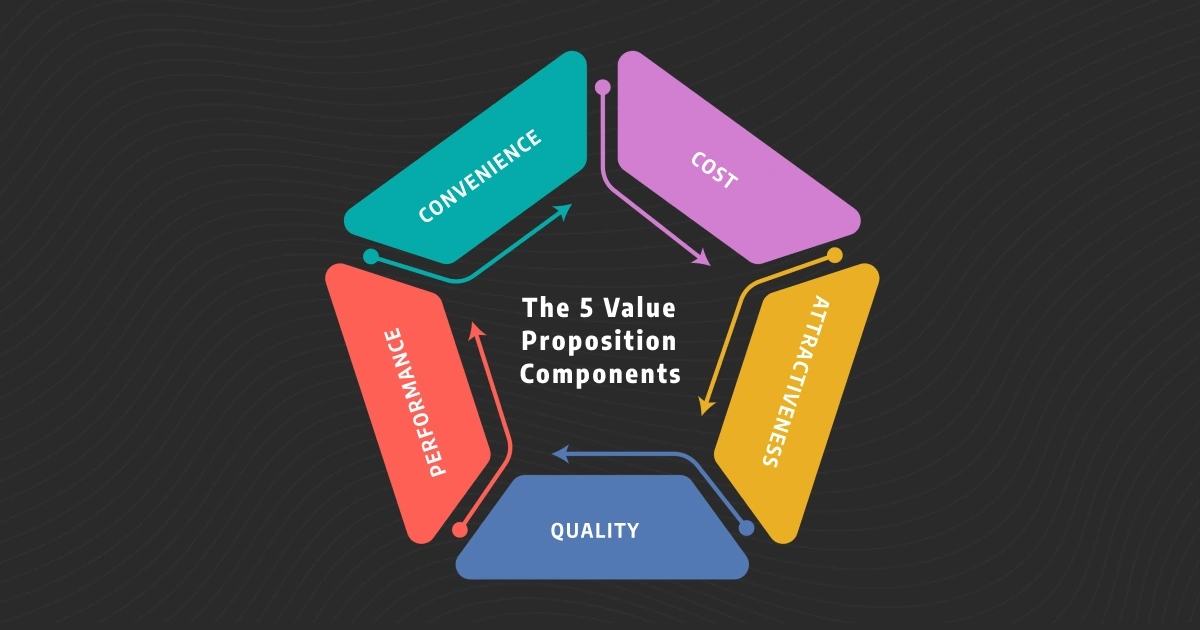
How to build a value proposition that stands out in a world where differentiation is harder than ever.

SEO isn’t dead, but the rules of discovery have changed. Learn why stable rankings can still lead to falling clicks, how AI summaries and chat-based search are rewriting the path from question to decision, and what you need to change in your content strategy to stay visible and influential, even when no one visits your site.